

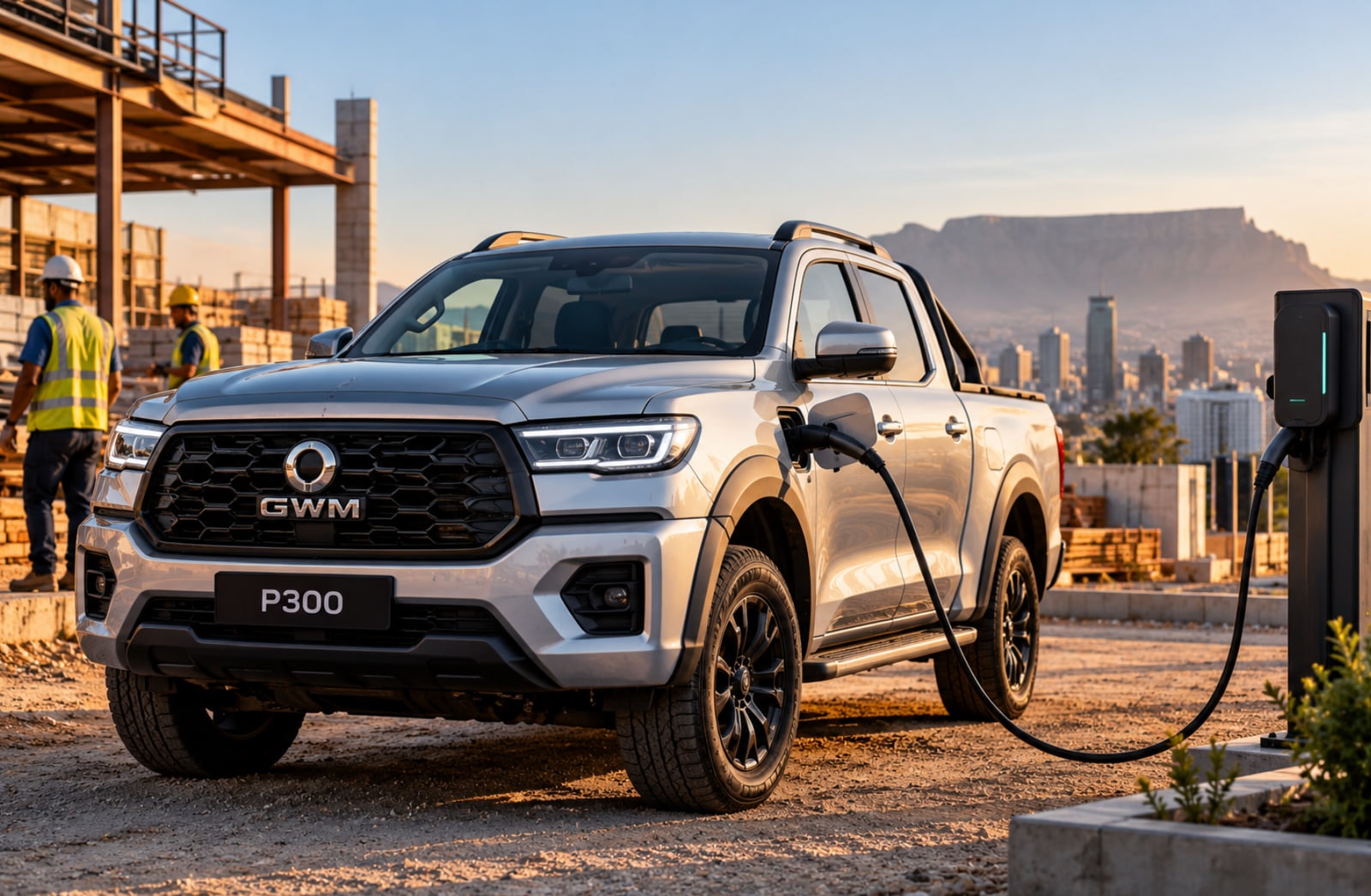
GWM’s plug-in hybrid P300 brings electric driving to South Africa’s bakkie market
A bakkie used for work can spend a large part of the month at the petrol station. For businesses that rely on their vehicles to deliver goods, visit customers or move between job sites, fuel is an expense they cannot avoid.
FA bakkie used for work can spend a large part of the month at the petrol station. For businesses that rely on their vehicles to deliver goods, visit customers or move between job sites, fuel is an expense they cannot avoid. GWM is offering a different option with the plug-in hybrid P300, which combines a petrol engine with an electric motor. The vehicle has a reported combined output of 310 kW and can travel up to 115 km on electric power alone.
Unlike a conventional hybrid that charges its battery while driving, a plug-in hybrid can be connected to an external power source. Owners who charge regularly can use electricity for shorter journeys and keep petrol available for longer trips. That arrangement could suit some South African bakkie owners, particularly those whose daily routes are fairly predictable. But whether it saves money depends on the price of the vehicle, access to charging and the distances covered.
It depends on how the bakkie is used
A business owner who drives around Johannesburg to meet clients may have different needs from a contractor travelling between towns with tools and materials in the load bed. For the first driver, being able to charge at home or at the office could mean using electric power for much of the daily commute. The contractor may spend more time on the road and have fewer opportunities to charge.
The stated electric range of 115 km will not necessarily translate into that distance in everyday driving. Speed, traffic, terrain and the weight carried can all affect battery use. There is also the question of where to charge. Drivers with a suitable charging point at home or at work have more control over when the battery is replenished. Those without access to private charging will need to consider whether public facilities fit their routines.
The purchase price still matters
For businesses, fuel savings only tell part of the story. The cost of buying the P300 needs to be compared with a conventional bakkie, along with petrol and electricity expenses, maintenance and any charging equipment required. A company running several vehicles could benefit if its bakkies return to base every evening and can charge overnight. But if drivers spend most of their time travelling long distances, the petrol engine may do more of the work.
The calculation becomes even more important for small businesses working with tight budgets. Paying more for a vehicle in the hope of saving on fuel is a risk if the expected savings do not materialise. Before making a decision, buyers would need real-world fuel consumption figures and a clear idea of how much electricity their usual journeys would require.
A different choice for bakkie buyers
GWM's P300 enters a market where buyers have plenty to consider, from purchase price and load capacity to towing ability, reliability and servicing costs. Its reported 310 kW output will interest drivers who want strong performance, but businesses are likely to look beyond the headline number. They need a vehicle that can handle its workload without adding unnecessary costs. The plug-in hybrid setup gives buyers an alternative to choosing between a conventional petrol or diesel bakkie and a fully electric vehicle. It could work well for drivers who cover shorter distances regularly and have somewhere to charge.
For those who spend most of their working day on the highway or in areas with limited charging facilities, the benefits may be less obvious. Ultimately, the P300's appeal will come down to the cost of owning it and whether its electric range matches the way the vehicle is useor businesses, that is a more useful measure than the power output alone.
Vutomi Manzini
Share Your Thoughts
Loading comments…
Keep Reading
More Stories You'll Like
 Reviews
Toyota Hilux GD-6 vs Ford Ranger BiTurbo: The Great SA Bakkie Showdown
The Toyota Hilux and Ford Ranger have dominated South African bakkie sales for years. We put the current best versions of each against each other in the most comprehensive comparison test ever.
Reviews
Isuzu D-Max 3.0 TD LS-E: The Farmer's Favourite Gets Serious Upgrades
7 min read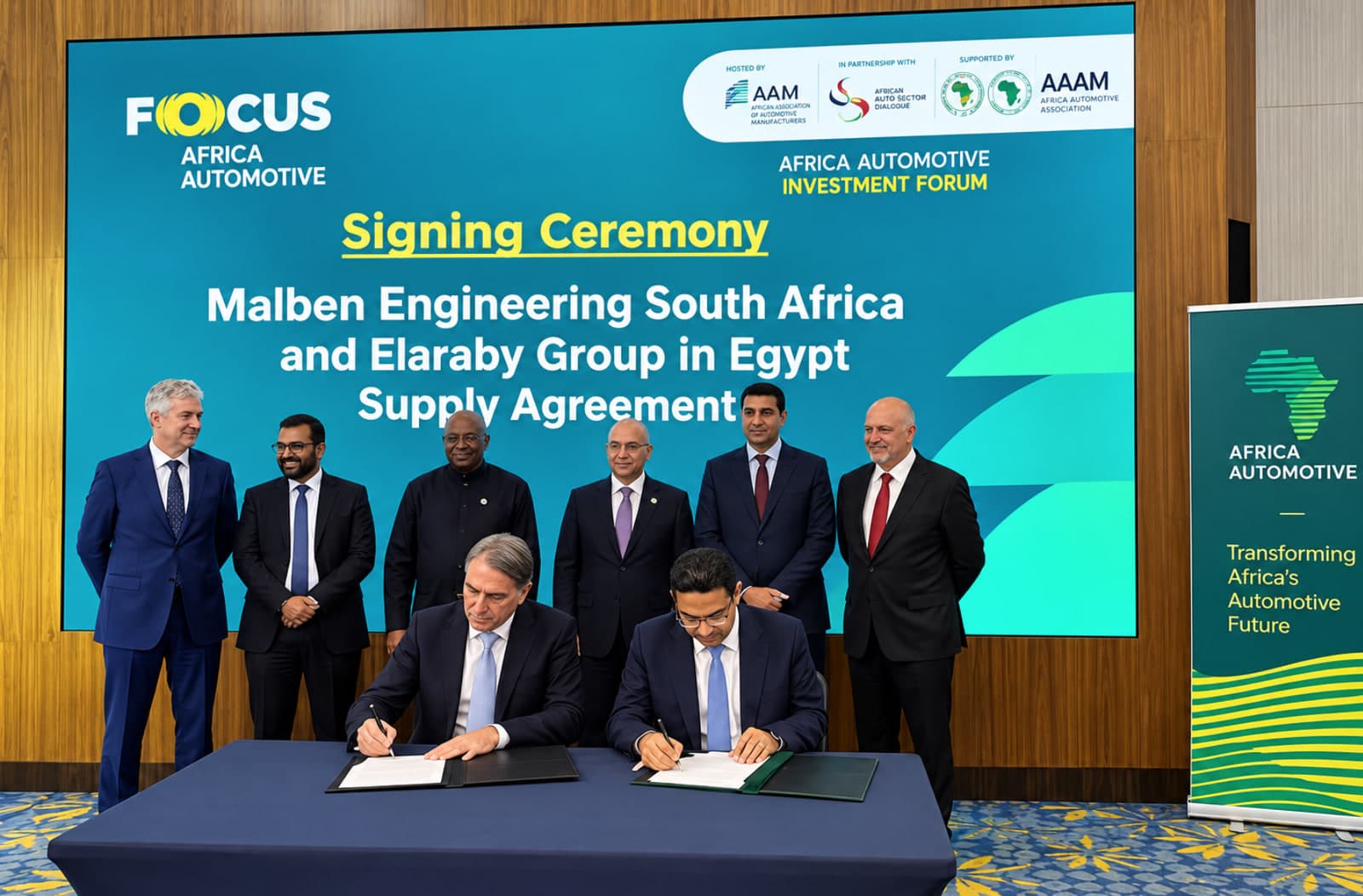
News
Malben SA and Egypt’s Elaraby look at automotive parts manufacturing
2 min read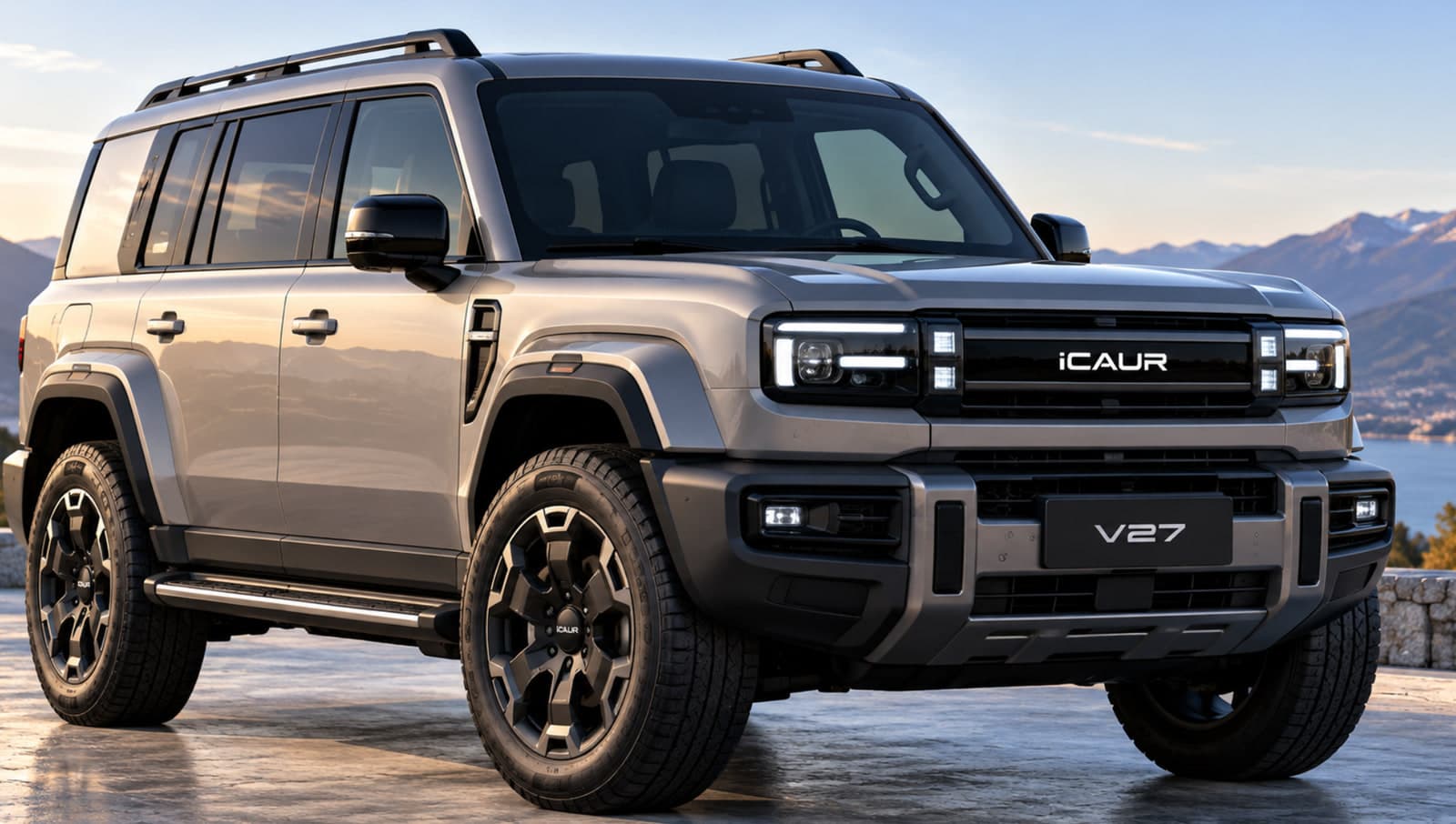
News
iCAUR V27 heads to South Africa with electric power and a petrol generator
2 min read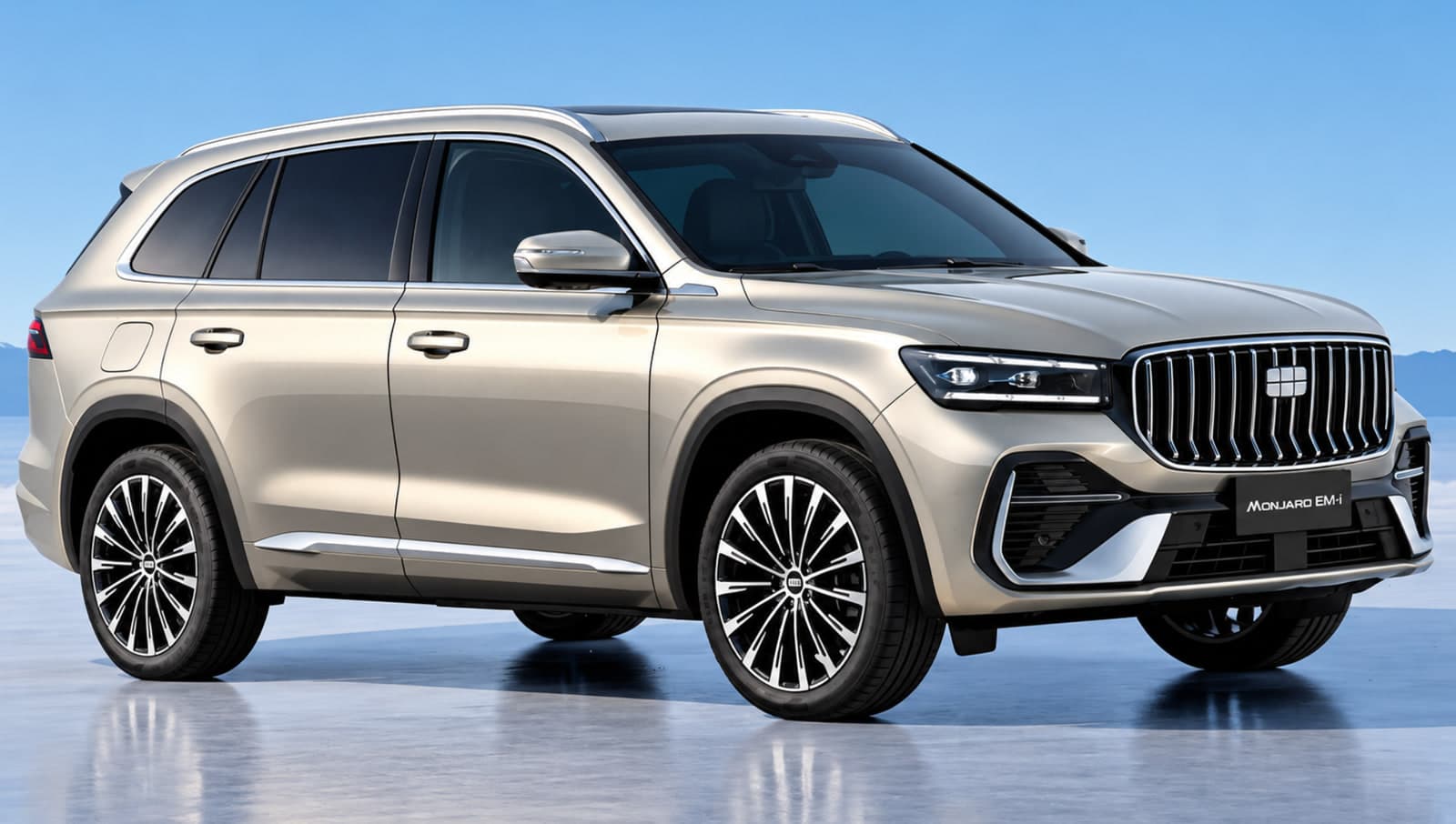
News
Geely’s new Monjaro EM-i brings plug-in hybrid power to a large SUV
2 min read
News
GWM adds another contender to South Africa's hybrid SUV market
2 min read
