

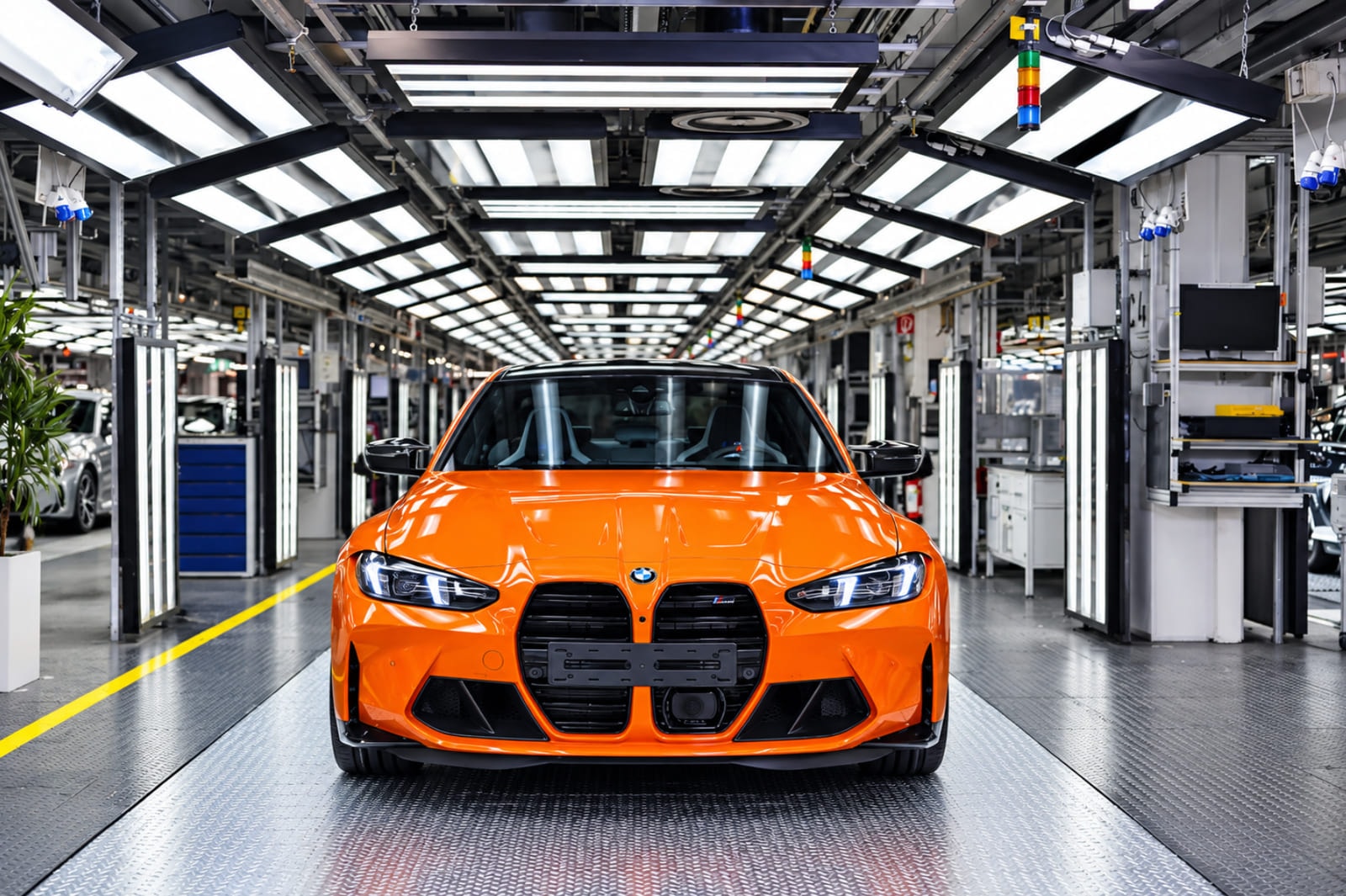
BMW Is Reworking Its Munich Factory for an Electric M3
An M3 without the familiar engine
BMW is preparing to build an electric M3 at its Munich factory, a plant that has spent decades producing cars powered by combustion engines. Production of the electric performance sedan is planned for 2027. By then, BMW intends to have converted the factory to build fully electric vehicles. The company is investing around €650 million in the changes. The timing is notable. BMW has just reached one million M cars built, marking the milestone with an M3 sedan finished in Fire Orange III. Now, one of the brand’s most recognisable models is heading towards a very different powertrain.
An M3 without the familiar engine
BMW has outlined a four-motor setup for its next electric M cars, with one motor assigned to each wheel. This gives the control system more direct authority over how power reaches the road. That matters in a performance car, where the way power is delivered through a corner can be just as important as acceleration in a straight line. The company is also developing a dedicated battery and electronic control systems for its electric M models. It has yet to publish the final specifications for the production electric M3, including its range, power output and price.
For BMW, the difficult part will be convincing existing M3 customers. The six-cylinder engine has been central to the car’s appeal, alongside its handling and everyday usability. An electric version will have to offer something compelling in its own right rather than rely on acceleration figures alone.
A different job for the factory
The Munich plant must change along with the car. Electric vehicles need battery packs, electric drive units and high-voltage systems, which bring different assembly and testing requirements.
BMW is rebuilding parts of the factory while continuing its manufacturing operations. That means coordinating construction, equipment installation, worker training and the supply of components without bringing production to a halt.
The changes also affect the companies that supply the plant. Parts designed specifically for petrol engines and exhaust systems will not have the same role in an electric vehicle. Other components, including wiring, brakes, body panels, seats and interior fittings, remain necessary. Suppliers will have to work out where their products fit as manufacturers change their vehicle platforms.
What South African suppliers can take from this
BMW’s investment in Germany does not mean South African component manufacturers will automatically receive new orders. But the shift is relevant to local businesses that supply vehicle manufacturers or want to enter their supply chains. Companies specialising in engine-related parts may need to diversify if demand changes. Businesses with experience in electrical components, wiring, metal fabrication, thermal management or testing may have products that remain relevant to future vehicle programmes.
The difficulty is getting onto a manufacturer's approved supplier list. Automotive contracts require consistent quality, reliable delivery and the ability to meet detailed technical specifications. Developing a new product or production process can also require substantial investment. For South African suppliers, the practical question is which capabilities they should develop now to remain competitive as global manufacturers increase electric vehicle production.
The M badge has something to prove
BMW has not yet shown the final production electric M3 in full, and important details remain outstanding. Buyers will want to know how far it can travel on a charge, how it performs under hard driving and how much it will cost. They will also judge it against the petrol-powered M3, not just other electric cars.
The factory conversion is a major undertaking, but the bigger test will come when the electric model reaches customers. BMW must show that removing the combustion engine does not take away what people value about an M3. For the company, 2027 is the target. For its suppliers, the work of preparing for changing vehicle technology is already under way.
Vutomi Manzini
Share Your Thoughts
Loading comments…
Keep Reading
More Stories You'll Like
 News
Volkswagen considers holding salaries at 2026 levels until 2030
Volkswagen employees could go four years without a salary increase if a proposal reported by the company's works council goes ahead.
News
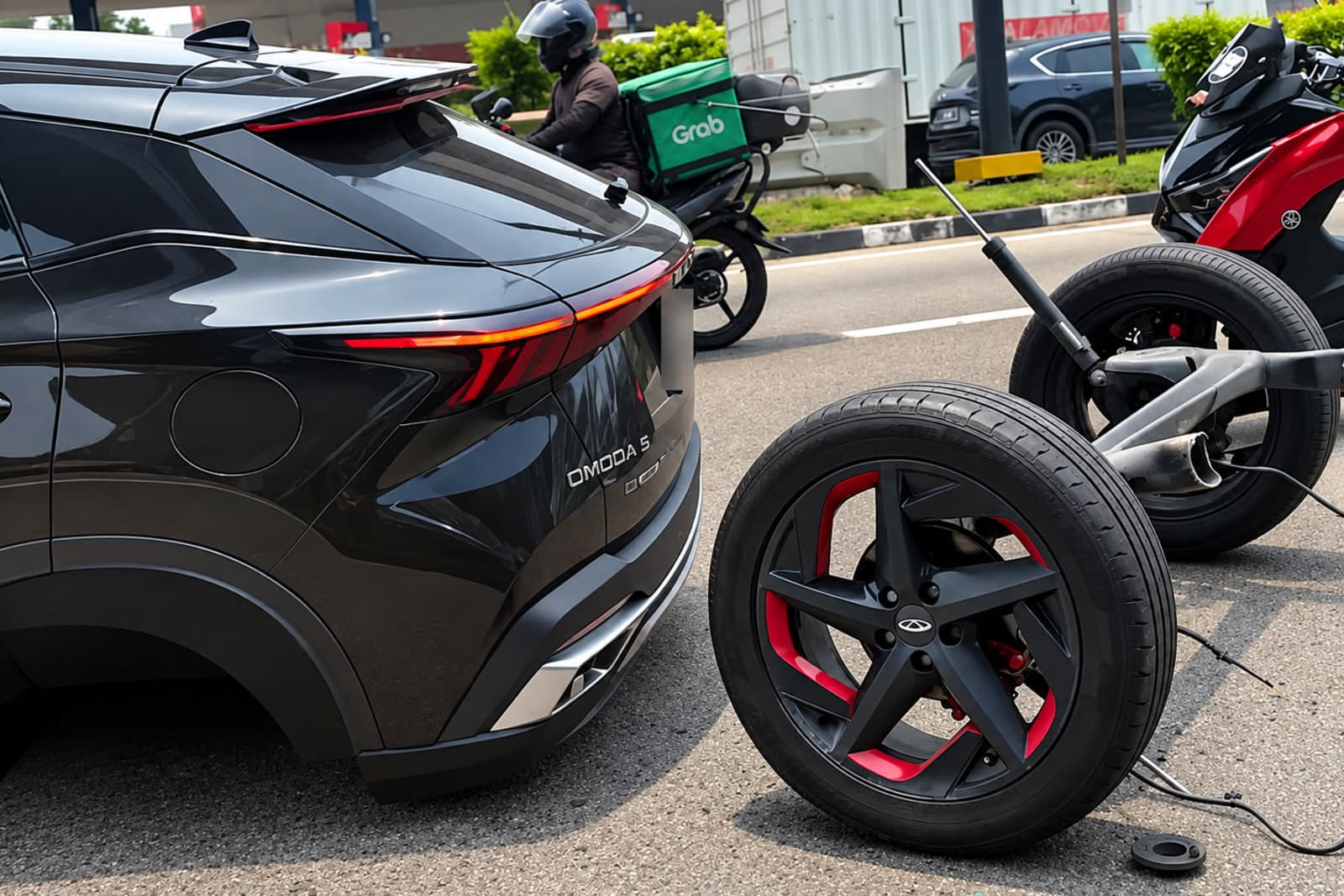
Another Omoda 5 axle failure puts Chery’s 2024 fix under scrutiny
2 min read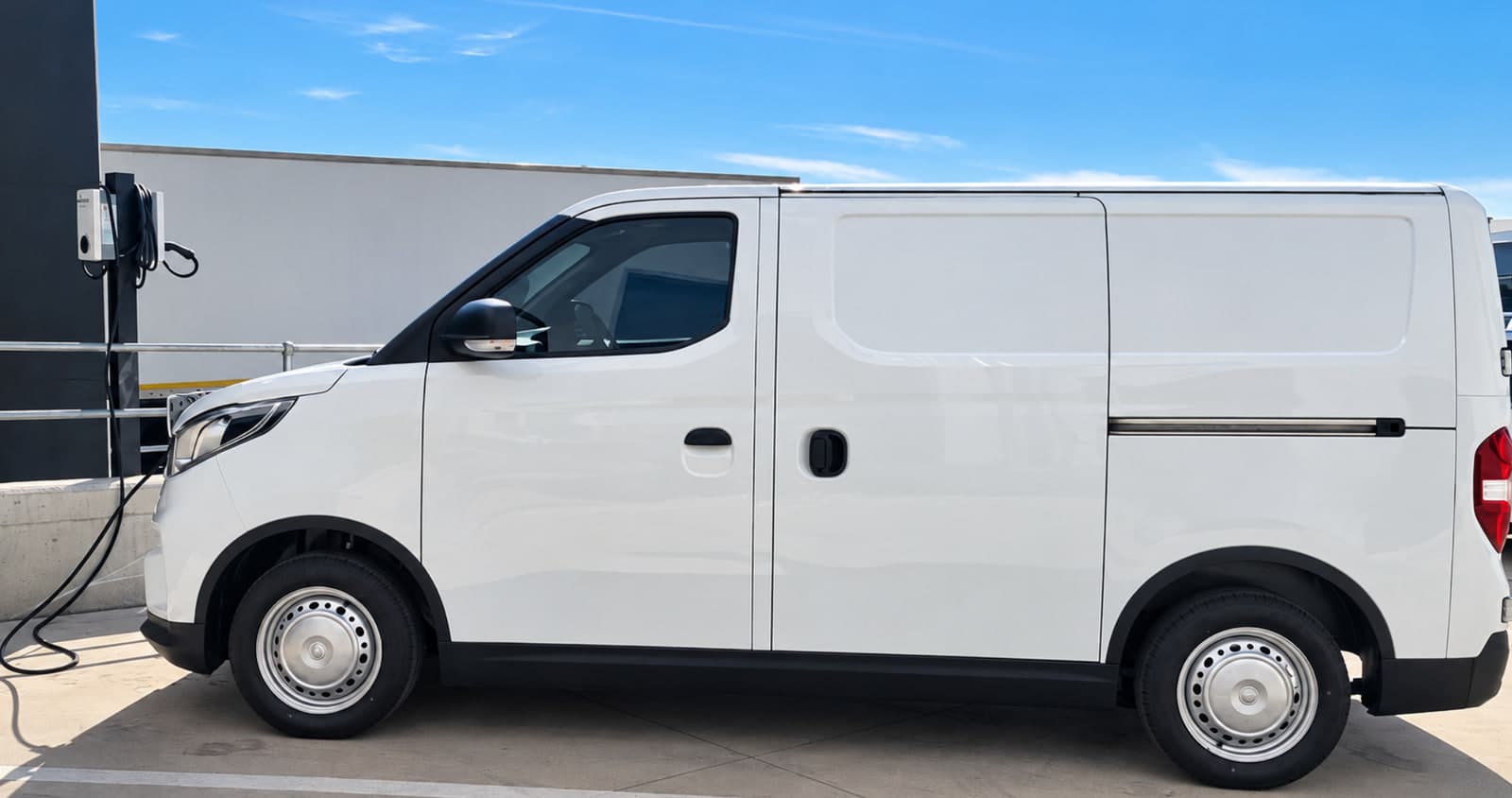
News
Can electric delivery vehicles work for South African small businesses?
3 min read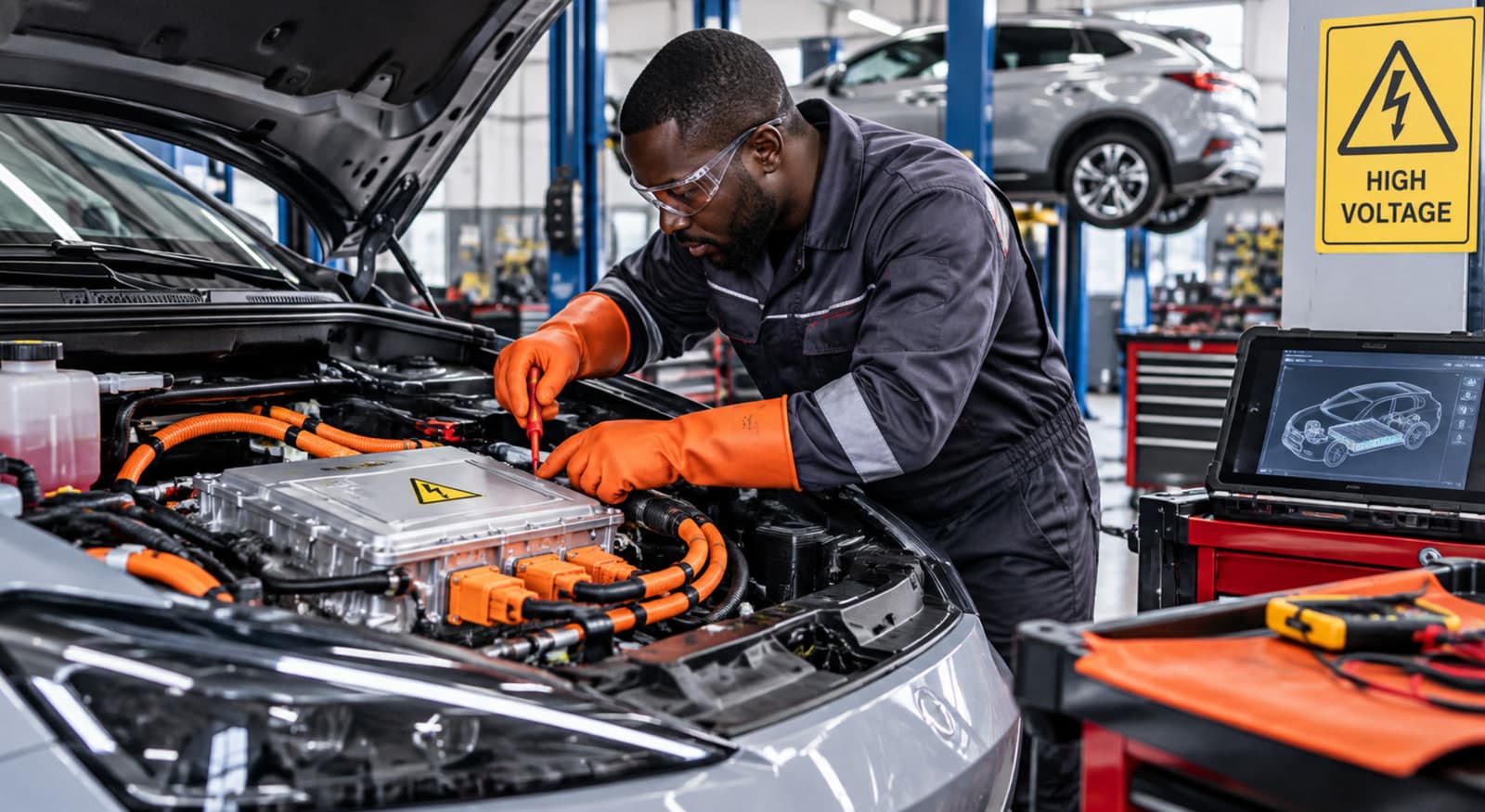
News
South African workshops face a new problem as electric cars arrive
2 min read
News
Malben SA and Egypt’s Elaraby look at automotive parts manufacturing
2 min read
News
iCAUR V27 heads to South Africa with electric power and a petrol generator
2 min read