

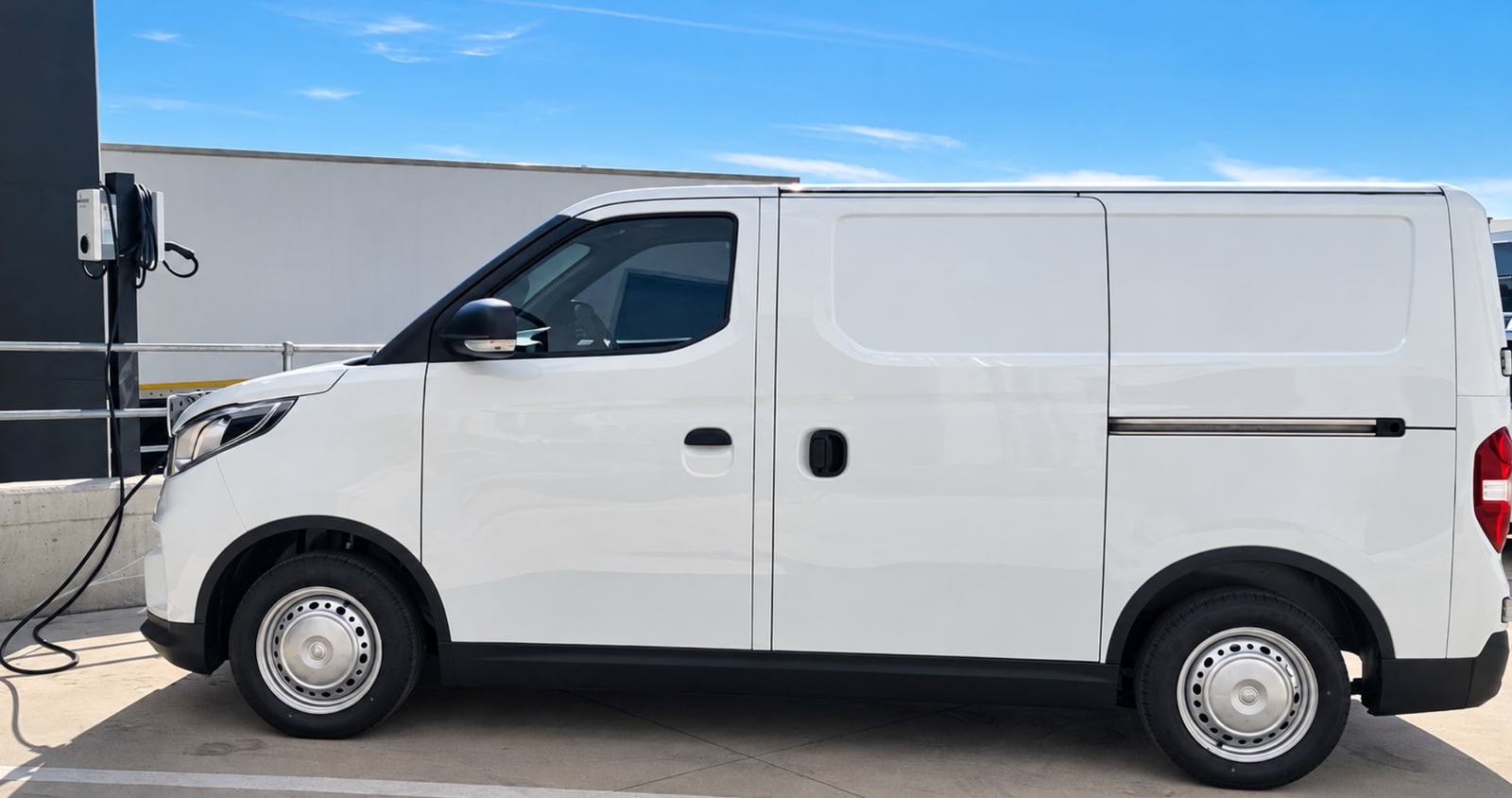
Can electric delivery vehicles work for South African small businesses?
The cost of replacing a fleet
A small delivery company can spend a surprising amount keeping its vehicles on the road. There is fuel to buy every week, repairs to pay for and instalments that still have to be covered when a van spends two days in a workshop. Electric delivery vehicles offer an alternative, but the price of buying one can make a business owner think twice.
JAC Motors, for example, lists its X200 EV light commercial vehicle from R591,218 excluding VAT. A business looking to replace three vehicles would be looking at more than R1.77 million for the vehicles alone, before financing and charging costs. For an SME, that is a serious commitment. The owner may be able to reduce the fuel bill, but still needs enough cash to pay staff, buy stock and cover the other costs of running the business.
Not every delivery route will work
The type of work the vehicles do matters. A company delivering food or parcels around Johannesburg, with drivers returning to the same depot every evening, could have an easier time charging its vehicles than a business sending drivers on long trips across the country. Regular routes also make it easier to estimate how much electricity the vehicles will use.
But charging needs to be worked out before a purchase is made. The business may need to install chargers at its premises, upgrade its electrical supply or get permission from a landlord to do the work. If the vehicles are used throughout the day, the owner must also consider whether they can recharge between deliveries.
Comparing the fuel bill with electricity
The numbers become more useful when compared with the business's current fuel expenses. An owner spending R15,000 a month on diesel, for example, would need to establish how much electricity would be required to cover the same distance. The saving cannot be calculated from the fuel bill alone. Electricity tariffs, vehicle efficiency and charging arrangements all affect the result.
Repairs can still take a vehicle off the road
Repairs deserve a closer look, too. Electric vehicles do not have conventional engines that need oil changes, but they still need tyres, brakes and suspension work. If a vehicle needs specialist attention, the owner must know where to take it and how quickly it can be returned to service. A delayed repair can mean missed deliveries and customers waiting for their orders.
Will the monthly payments make sense?
Financing could be the biggest obstacle. If the electric model costs more than the petrol or diesel vehicle it replaces, the monthly repayment may be higher. Any reduction in running costs has to be weighed against that extra expense, along with insurance and the cost of installing charging equipment.
Start with one vehicle
One way for a business to test the idea is to replace a single vehicle rather than the entire fleet. It could use the electric vehicle on a regular delivery route for several months and record the kilometres travelled, charging costs, maintenance bills and time spent off the road. Those figures could then be compared with a similar vehicle running on petrol or diesel. That would give the owner a clearer basis for deciding whether to buy another electric vehicle or stick with the existing fleet.
The answer will differ from one business to another. A vehicle travelling long distances every day has different demands from one making short deliveries within a small area. Until purchase prices, financing and operating costs are put next to the business's actual delivery figures, the owner is being asked to make a major investment without knowing what it will mean for the bottom line.
Vutomi Manzini
Share Your Thoughts
Loading comments…
Keep Reading
More Stories You'll Like
 News
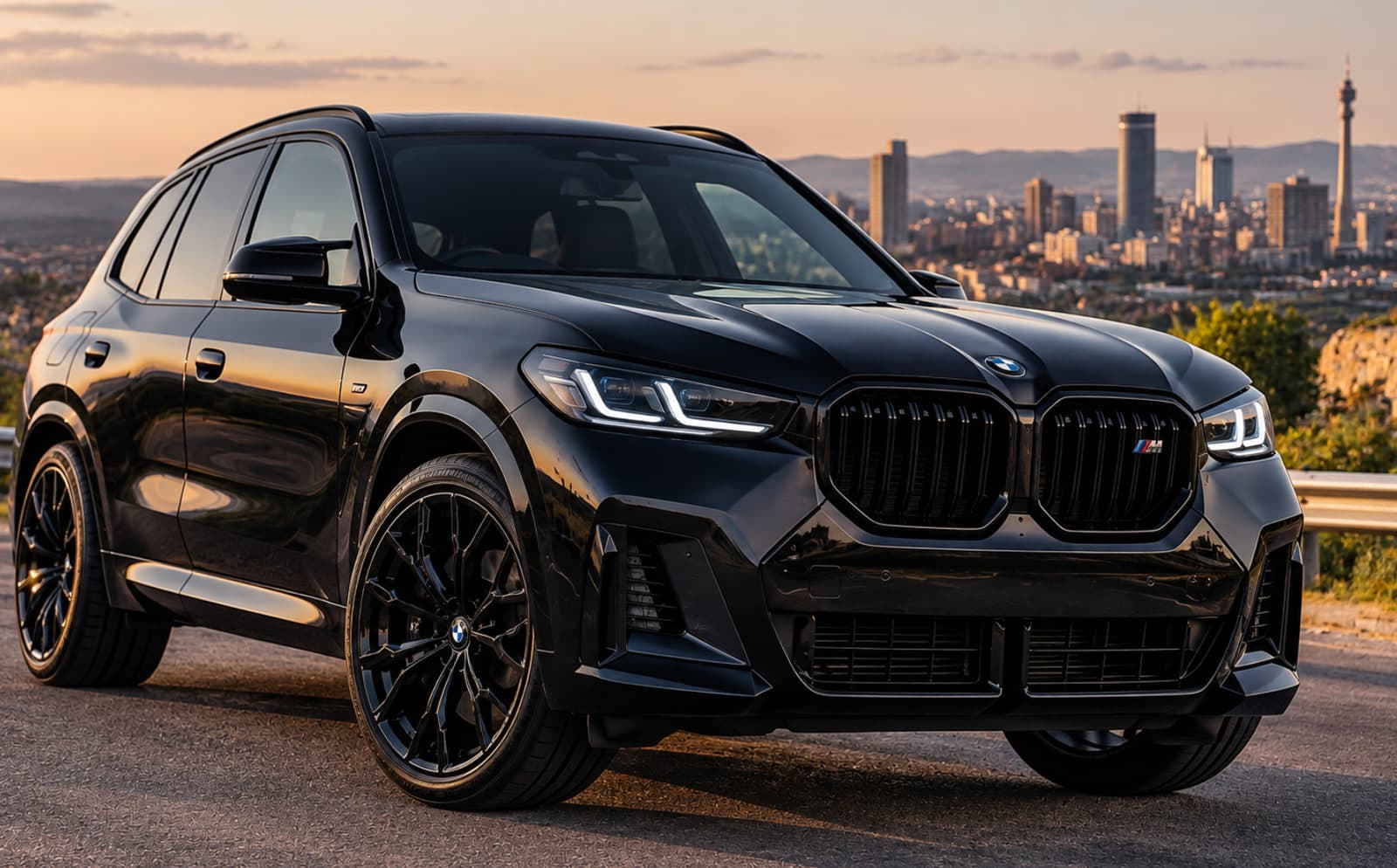
NewsBMW is bringing a 326kW X3 to South Africa
BMW is bringing a more powerful version of the X3 to South Africa, although buyers will have to wait until 2027. The BMW X3 M50 xDrive Black Package is expected to arrive in the third quarter of 2027. It produces 326kW, compared with 293kW in the current X3 M50.
News
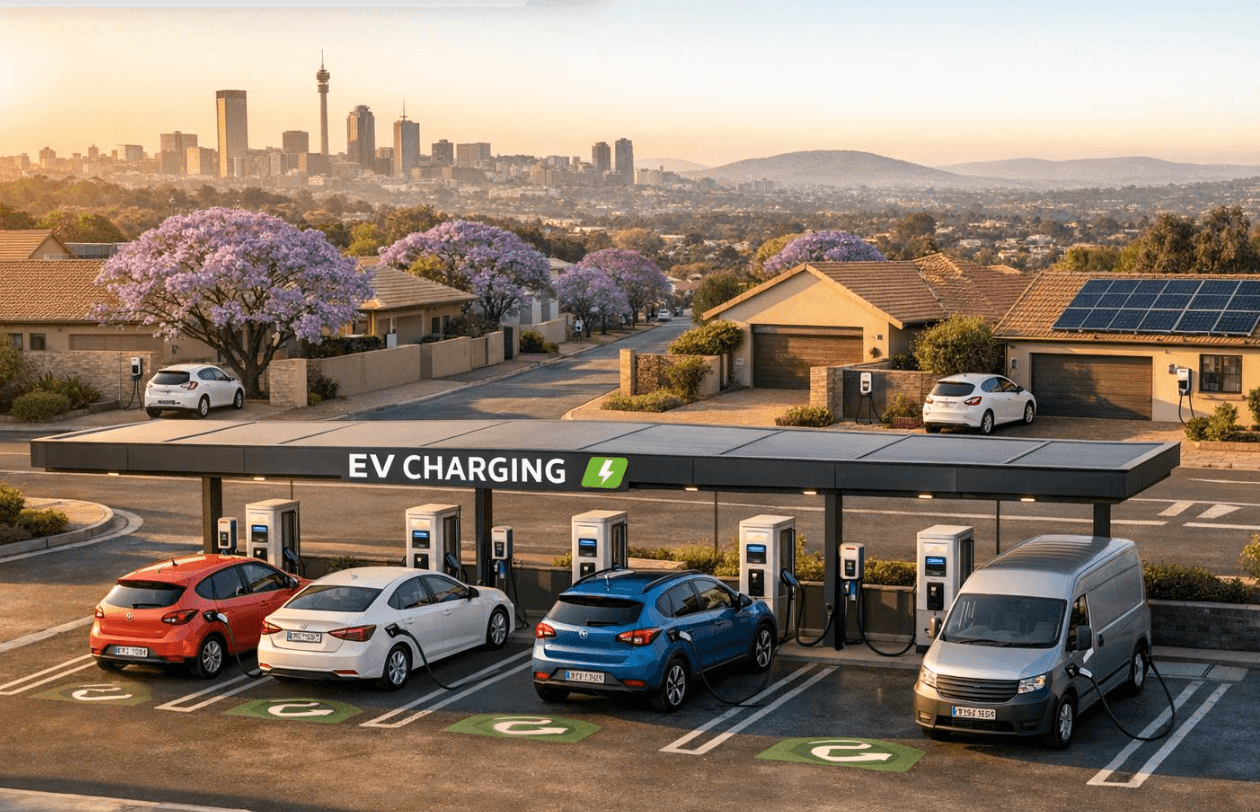
EVs Are Getting Cheaper in South Africa. Small Businesses Are Going to Notice
2 min read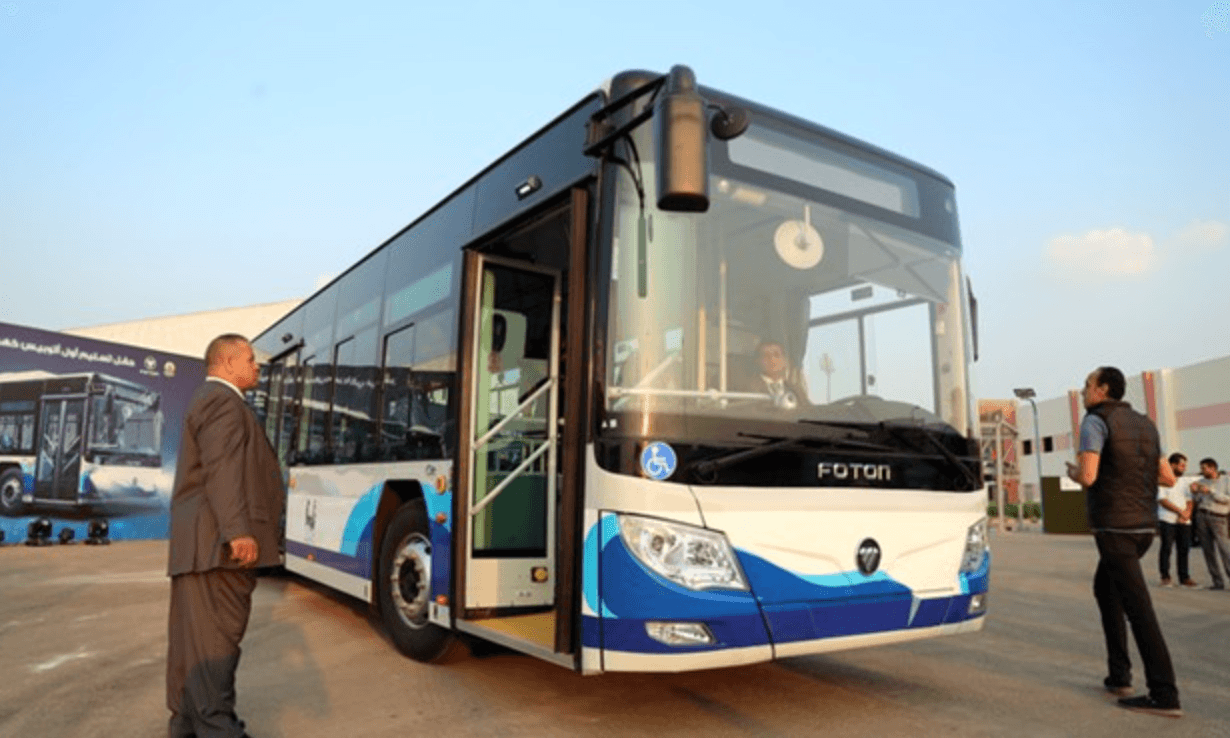
News
Egypt to Build $39 Million Battery Plant for Electric Trucks and Buses
2 min read
News
iCAUR V27 heads to South Africa with electric power and a petrol generator
2 min read
News
Geely’s new Monjaro EM-i brings plug-in hybrid power to a large SUV
2 min read
News
GWM adds another contender to South Africa's hybrid SUV market
2 min read